

Nigeria is experiencing remarkable population growth, and this demographic expansion is transforming the country’s healthcare landscape. From crowded hospital waiting rooms to the increasing need for maternity care, childhood vaccinations, medical equipment, and healthcare professionals, the effects of a growing population are becoming more evident across the country.
According to the World Bank’s population data, Nigeria’s population reached approximately 237.5 million people in 2025, making it Africa’s most populous country and one of the world’s largest populations. With the population continuing to increase, the demand for accessible, affordable, and high-quality healthcare services is expected to grow.
However, Nigeria’s growing population presents both opportunities and challenges for the healthcare sector.
On one hand, a larger population creates greater demand for hospitals, primary healthcare centres, diagnostic services, pharmaceuticals, and essential medical consumables such as syringes and needles. On the other hand, this growth places additional pressure on healthcare infrastructure, government funding, healthcare workers, and medical supply chains.
For healthcare providers, hospital administrators, policymakers, and medical suppliers, understanding these changes is essential for effective planning.
In this article, we explore how Nigeria’s growing population is changing the demand for healthcare services, the major challenges facing the healthcare system, and the practical steps needed to build a healthcare sector capable of meeting the needs of millions of Nigerians.
Understanding Nigeria’s Rapid Population Growth
Nigeria’s population has grown significantly over the past several decades. This growth is influenced by several demographic factors, including relatively high fertility rates, improvements in child survival over time, and a large proportion of young people entering their reproductive years.
World Bank estimates show that Nigeria’s population increased from approximately 126.4 million in 2000 to 237.5 million in 2025. That represents an increase of more than 111 million people within 25 years.
Nigeria’s population growth
World Bank population estimates, rounded to one decimal place, in millions.
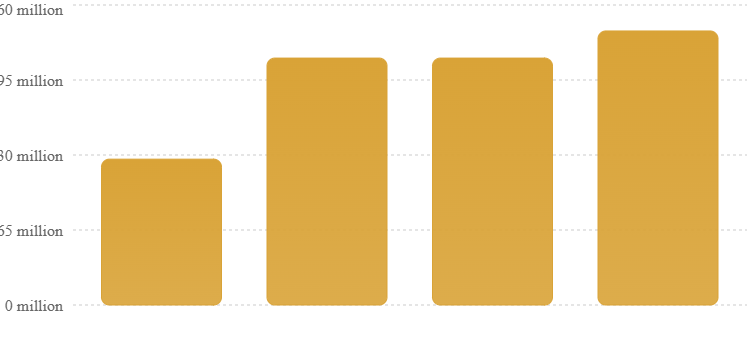
World Bank population estimates. The 2010 value is not included in this chart’s cited dataset and should not be used for publication without verification.
The World Bank also reports an annual population growth rate of approximately 2.1% for 2025.
What Is Driving Nigeria’s Population Growth?
Several factors help explain Nigeria’s expanding population.
1. Relatively high fertility rates
Although Nigeria’s fertility rate has been declining, it remains high enough to support continued population growth. The 2024 Nigeria Demographic and Health Survey reported a decline in the total fertility rate from 5.3 children per woman in 2018 to 4.8 in 2024.
2. A youthful population
Nigeria has a large population of children, adolescents, and young adults. As more young Nigerians reach adulthood, demand increases for reproductive healthcare, maternity services, preventive care, and family healthcare.
3. Improvements in child survival
Progress in vaccination, public health awareness, and access to some medical interventions has helped support child survival over the longer term. Nevertheless, important regional and socioeconomic inequalities remain.
4. Population momentum
Even when the average number of children per woman declines, a population can continue growing because a large number of people are entering their childbearing years.
Understanding these factors is important because healthcare planning must consider not only how many people live in Nigeria today, but also the age distribution and future healthcare needs of the population.
1. Increasing Demand for Hospitals and Primary Healthcare Centres
One of the most immediate consequences of Nigeria’s growing population is the increasing demand for hospitals, clinics, and primary healthcare centres.
As communities expand, more people require medical consultations, emergency care, laboratory tests, surgical procedures, and treatment for common illnesses.
Unfortunately, healthcare infrastructure does not always expand at the same rate as the population.
Pressure on Existing Healthcare Facilities
In densely populated areas such as Lagos, Kano, Ibadan, and Abuja, healthcare facilities must serve growing communities with varying medical needs.
Where capacity is insufficient, this can contribute to:
- Longer waiting times for patients.
- Increased workloads for doctors and nurses.
- Shortages of hospital beds and treatment spaces.
- Greater pressure on medical equipment and supplies.
- Delays in consultations, diagnostics, and treatment.
- Reduced opportunities for personalised patient care.
The effects can be particularly severe when people delay seeking treatment until their conditions become more serious.
Why Primary Healthcare Is Becoming More Important
Primary healthcare centres are often the first point of contact between communities and the healthcare system.
These facilities provide essential services such as antenatal care, immunisation, basic treatment, health education, family planning, and referrals.
As Nigeria’s population grows, strengthening primary healthcare offers a practical way to improve access and reduce unnecessary pressure on larger hospitals.
For example, a well-equipped primary healthcare centre can handle many routine medical needs locally rather than requiring patients to travel to a tertiary hospital.
Investment in staffing, infrastructure, essential medicines, diagnostic tools, and medical consumables is therefore crucial.
For healthcare administrators, ensuring a consistent supply of essential products, including sterile syringes where injections are clinically indicated, forms part of maintaining dependable services.
2. Greater Demand for Maternal and Child Healthcare Services
Nigeria’s demographic structure makes maternal and child healthcare one of the most important areas affected by population growth.
With large numbers of women of reproductive age and millions of children needing routine healthcare, the demand for pregnancy-related services and paediatric care remains substantial.
Rising Need for Maternal Healthcare
Maternal healthcare includes medical services provided during pregnancy, childbirth, and after delivery.
These services are essential for monitoring the health of mothers and babies and identifying complications early.
As Nigeria’s population expands, healthcare systems must plan for sufficient capacity in services such as:
- Antenatal consultations and pregnancy monitoring.
- Skilled attendance during childbirth.
- Emergency obstetric care.
- Postnatal check-ups.
- Family planning and reproductive health services.
- Appropriate medicines, testing supplies, and equipment.
The 2024 Nigeria Demographic and Health Survey provides important evidence for understanding reproductive health needs and differences in access to healthcare across the country.
Population growth makes these services increasingly important, especially in communities where access to trained healthcare professionals is limited.
Increasing Demand for Child Healthcare
Children require medical attention at different stages of development.
From newborn examinations to routine immunisation, nutritional assessments, and treatment of childhood illnesses, healthcare systems need adequate resources to support a growing child population.
Preventive healthcare is particularly important because early interventions can reduce the burden of avoidable illnesses.
Routine vaccination programmes, for example, require more than vaccines alone. They depend on trained staff, reliable cold-chain systems, appropriate injection devices, safe disposal facilities, and effective recordkeeping.
As Nigeria’s child population grows, healthcare providers must ensure that the supporting infrastructure and essential medical supplies keep pace with demand.
3. Growing Need for Vaccination and Disease Prevention
Population growth also affects how Nigeria plans and delivers public health programmes.
A larger population means that more individuals may need routine immunisation, disease screening, health education, and other preventive services.
This is particularly important in a country where infectious diseases such as malaria, tuberculosis, and vaccine-preventable illnesses remain public health concerns.
Why Immunisation Programmes Must Expand
Vaccination is an essential component of preventive healthcare.
As more children are born, the number of children eligible for routine immunisation also increases. Maintaining or improving vaccination coverage therefore requires sustained investment.
Healthcare planners must consider:
- The number of eligible children in each community.
- Vaccine availability and distribution.
- Trained immunisation personnel.
- Cold-chain storage and transportation.
- Safe injection equipment.
- Appropriate sharps disposal.
- Accurate immunisation records.
The World Health Organization and UNICEF recommend auto-disable syringes and other appropriate injection safety devices for immunisation activities to help prevent equipment reuse.
This demonstrates why growing demand for vaccination services must be supported by careful medical supply planning.
Disease Prevention Beyond Vaccination
A growing population also requires stronger systems for preventing and controlling diseases.
These include improved sanitation, clean water, community health education, infection prevention, disease surveillance, and timely access to diagnostic testing.
In densely populated communities, the potential for transmission of some infectious diseases can increase when housing, sanitation, and healthcare infrastructure are inadequate.
Preventive healthcare helps identify risks before they develop into more complicated medical problems.
For policymakers and healthcare institutions, investing in prevention alongside treatment can support a healthier population and more efficient use of healthcare resources.
4. Increasing Pressure on Nigeria’s Healthcare Workforce
A growing population requires a healthcare workforce capable of meeting increasing demands for treatment, prevention, and specialist medical services.
Nigeria needs doctors, nurses, midwives, pharmacists, laboratory scientists, radiographers, community health workers, and other professionals across different levels of healthcare delivery.
However, healthcare workforce shortages and uneven distribution remain significant concerns.
How Population Growth Affects Healthcare Professionals
When the number of patients increases without a corresponding increase in healthcare workers, existing staff may experience heavier workloads.
This can affect healthcare delivery in several ways.
Longer working hours: Healthcare professionals may need to manage more patients during each shift, especially in busy hospitals and emergency departments.
Reduced consultation time: Where staffing is inadequate, practitioners may have less time available for each patient.
Workplace stress: Persistent workload pressure can contribute to fatigue, burnout, and job dissatisfaction.
Unequal access: Rural communities and underserved locations may face greater difficulties attracting and retaining qualified healthcare professionals.
The WHO’s Global Health Observatory tracks Nigeria’s healthcare workforce indicators, including the availability of nursing, midwifery, and other health personnel. These indicators are important for workforce planning.
The Impact of Healthcare Worker Migration
The migration of trained healthcare professionals to other countries adds another challenge.
Healthcare workers may seek opportunities abroad because of differences in compensation, working conditions, career development, and access to specialised training.
While international mobility can benefit individual professionals, sustained departures can create difficulties for healthcare institutions that already face staffing shortages.
As Nigeria’s population expands, workforce policies will need to address both the training of new professionals and the retention of existing staff.
What Can Help Address Workforce Challenges?
Solutions include expanding medical and nursing education, improving working conditions, strengthening rural healthcare recruitment, and supporting continuous professional development.
Technology can also help healthcare workers use their time more efficiently.
For example, electronic patient records, appointment systems, and telemedicine platforms can reduce certain administrative burdens and support continuity of care.
However, technology cannot replace the need for adequately trained healthcare professionals, particularly for physical examinations, emergencies, injections, surgical procedures, and other hands-on clinical services.
5. Rising Demand for Medical Consumables and Healthcare Equipment
As Nigeria’s population grows, demand for essential healthcare supplies is becoming an increasingly important consideration for hospitals, clinics, pharmacies, diagnostic centres, and public health programmes.
Medical consumables are products used during routine healthcare procedures and typically require regular replenishment.
Examples include sterile syringes, needles, gloves, gauze, dressings, intravenous administration sets, and selected diagnostic supplies.
Unlike major hospital equipment that may remain in use for several years, many consumables are designed for a single use or short-term use.
This means medical facilities must manage regular procurement, storage, distribution, and stock monitoring.
Why Population Growth Affects Syringe Demand
Syringes are used in a range of healthcare activities, including clinically necessary injections, certain medication administration procedures, and specific clinical sampling tasks.
As healthcare services expand, the overall requirement for appropriate injection equipment may increase.
For example, growing demand for maternity services, childhood immunisation, emergency treatment, and chronic disease management can affect the volume and types of syringes required by healthcare facilities.
However, a larger population does not automatically mean every patient needs more injections. Injections should be administered only when clinically appropriate, and healthcare workers should use the correct device for each procedure.
The World Health Organization highlights the importance of safe injection practices, including preventing equipment reuse and protecting healthcare workers from needlestick injuries.
The Importance of Reliable Medical Supply Chains
Healthcare facilities depend on predictable access to the supplies needed to provide treatment safely.
When medical consumables are unavailable, facilities may need to postpone certain procedures, refer patients elsewhere, or urgently procure products at higher costs.
Poor supply planning can also lead to overstocking, expired products, unnecessary waste, and financial losses.
For Nigerian healthcare facilities, effective procurement should consider demand forecasting, supplier reliability, inventory management, storage requirements, product suitability, and applicable regulatory standards.
O-care’s Role in Supporting Healthcare Delivery
As a Nigerian medical consumables brand specialising in syringes, O-care recognises the importance of dependable access to appropriate medical supplies as healthcare demand increases.
Syringes may be small compared with other hospital equipment, but their availability, correct selection, handling, and safe disposal are important parts of patient care.
Healthcare institutions should prioritise suitable, appropriately regulated products and safe clinical practices when selecting suppliers.
Through its focus on medical consumables, O-care can contribute to conversations about responsible procurement, injection safety, and healthcare supply preparedness in Nigeria.
6. Increasing Demand for Healthcare in Urban Areas
Nigeria’s population growth is closely connected with urban expansion.
Cities such as Lagos, Abuja, Kano, and Port Harcourt attract people seeking employment, education, commercial opportunities, and access to services.
As urban communities grow, healthcare facilities must respond to increasing and increasingly diverse medical needs.
How Urbanisation Changes Healthcare Demand
Urbanisation can create healthcare opportunities by bringing larger populations closer to hospitals, specialists, diagnostic centres, and pharmacies.
However, rapid urban growth can also overwhelm infrastructure when investment fails to keep pace.
Densely populated urban settlements may experience challenges related to sanitation, overcrowding, waste management, environmental pollution, and access to affordable healthcare.
In some areas, hospitals may be geographically close but still financially inaccessible to many residents.
Urban healthcare planning must therefore address both the number of facilities available and their affordability, quality, capacity, and accessibility.
The Challenge of Informal Settlements
Residents of informal settlements may face barriers such as unstable incomes, inadequate sanitation, poor roads, and limited access to comprehensive healthcare.
These conditions can increase vulnerability to certain illnesses and delay access to treatment.
Mobile clinics, community health outreach, strengthened primary healthcare centres, and targeted public health programmes can help improve access.
For healthcare providers, understanding local population patterns is necessary when deciding where to establish new facilities or expand existing services.
7. Growing Burden of Non-Communicable Diseases
When discussing Nigeria’s healthcare needs, infectious diseases often receive considerable attention.
However, non-communicable diseases are also becoming increasingly important.
Non-communicable diseases, commonly called NCDs, are medical conditions that are not transmitted directly from one person to another.
Examples include hypertension, diabetes, cardiovascular diseases, cancers, and chronic respiratory conditions.
Why Chronic Disease Care Is Becoming More Important
Nigeria’s population growth means a larger number of people may require screening, monitoring, and treatment for chronic diseases.
Urban lifestyles, changes in diet, physical inactivity, tobacco exposure, and other risk factors can influence the burden of some NCDs.
In addition, as people live longer, more individuals may require long-term healthcare services.
Unlike illnesses that may resolve after a short treatment period, chronic conditions often require ongoing medical attention.
For example, a person living with hypertension may need regular blood pressure monitoring, lifestyle support, and prescribed medication.
A person living with diabetes may need blood glucose monitoring, clinical reviews, medication, and screening for complications. Some patients require insulin injections, while others are treated with non-injectable medicines.
The Financial Impact of Chronic Diseases
Managing a chronic disease can place ongoing financial pressure on households.
Patients may face repeated costs for consultations, laboratory tests, medication, transportation, and specialist care.
Nigeria’s healthcare financing challenges make this particularly significant.
The Commonwealth Fund’s 2026 Nigeria healthcare system profile, drawing on international expenditure data, describes substantial household spending on healthcare and highlights the financial burden associated with long-term illness.
Expanding chronic disease screening, improving access to essential medicines, and strengthening primary healthcare can help reduce preventable complications.
8. Healthcare Affordability and the Growing Population
Healthcare demand is not determined by population size alone.
People must also be able to access and afford the services they need.
This distinction matters in Nigeria, where many households pay directly for healthcare expenses.
Understanding Out-of-Pocket Healthcare Spending
Out-of-pocket spending refers to healthcare payments made directly by individuals or households rather than through insurance or other pooled financing arrangements.
According to World Bank data, out-of-pocket payments accounted for approximately 71.9% of Nigeria’s current healthcare expenditure in 2023.
How much healthcare spending comes directly from households?
Out-of-pocket spending
71.9%
This represents the share of total current health spending, not the percentage of patients paying out of pocket.
This level of direct payment can create serious difficulties for households, particularly when unexpected medical emergencies occur.
For some families, the cost of healthcare competes with essential expenses such as food, housing, education, and transportation.
Why Healthcare Insurance Matters
Health insurance can help distribute healthcare costs across a wider group of people.
Instead of bearing the full cost of treatment when illness occurs, eligible individuals receive financial protection according to the terms of their coverage.
Nigeria’s National Health Insurance Authority framework is intended to support broader health insurance participation and progress towards universal health coverage.
However, expanding insurance coverage also requires investment in service quality, provider capacity, financing, and accountability.
Healthcare access must be meaningful: having insurance is less useful when necessary medicines, healthcare workers, or clinical services are unavailable.
Affordable Healthcare Requires Efficient Procurement
Hospitals and clinics also face rising operating expenses.
Medical consumables, electricity, equipment maintenance, transportation, staffing, and other costs all affect healthcare delivery.
Efficient purchasing and stock management can help facilities reduce avoidable losses while maintaining appropriate quality standards.
For medical consumables, choosing products based solely on the lowest purchase price may not reflect the full cost of safe healthcare delivery.
Product suitability, sterility, traceability, reliability, and waste-disposal requirements are also important considerations.
9. The Healthcare Gap Between Rural and Urban Communities
Nigeria’s growing population does not affect every region in the same way.
Healthcare access varies considerably between communities, and geographic differences can influence patient outcomes.
Urban residents may have access to more specialists and advanced facilities, while rural residents may need to travel longer distances for essential services.
Why Rural Healthcare Needs Special Attention
In some rural communities, residents face difficulties accessing maternal care, emergency treatment, diagnostics, and specialist services.
Challenges may include poor road networks, transportation costs, limited electricity, healthcare workforce shortages, and inadequate medical supplies.
These barriers become particularly concerning during time-sensitive medical emergencies.
A pregnant woman experiencing complications, for example, may require rapid assessment and referral to a facility equipped to provide emergency obstetric care.
Delays caused by transportation difficulties or limited facility readiness can increase risks.
Strengthening Community-Based Healthcare
Improving rural healthcare access requires more than constructing additional buildings.
Facilities must have trained personnel, essential medicines, safe equipment, dependable power, appropriate referral arrangements, and consistent supplies.
Community health workers can also support prevention, health education, early detection, and follow-up care.
Telemedicine may improve access to certain consultations, although limitations involving connectivity, affordability, privacy, and physical examination must be considered.
As rural populations grow, strengthening local healthcare systems can help reduce avoidable delays and improve continuity of care.
10. The Role of Technology in Meeting Nigeria’s Healthcare Demand
Technology is becoming an increasingly important tool for improving healthcare access, efficiency, and service delivery.
As Nigeria’s population expands, digital health solutions may help healthcare providers manage larger numbers of patients without relying entirely on traditional facility-based services.
Telemedicine and Remote Consultations
Telemedicine allows healthcare professionals to provide certain medical consultations through telephone calls, video platforms, and other communication technologies.
This can be particularly useful for routine follow-ups, selected specialist consultations, health education, and some chronic disease management services.
For patients living far from major hospitals, remote consultations can reduce unnecessary travel.
However, telemedicine is not suitable for every medical condition. Emergencies, physical procedures, and cases requiring direct examinations must receive appropriate in-person care.
Electronic Health Records
Electronic health records can help healthcare providers maintain patient information in an organised digital format.
With appropriate safeguards, these systems can support better continuity of care, reduce some administrative delays, and improve coordination between healthcare professionals.
Digital Medical Inventory Management
Technology can also improve how healthcare facilities manage supplies.
Digital inventory systems can help hospitals monitor stock levels, track expiry dates, document usage, and identify products that need replenishment.
For high-use consumables such as syringes, accurate stock records can reduce unnecessary shortages and improve purchasing decisions.
As population growth increases the complexity of healthcare operations, data-driven supply management will become more valuable.
11. How Nigeria Can Prepare Its Healthcare System for Future Population Growth
Meeting the healthcare needs of a growing population requires coordinated action from governments, healthcare providers, private organisations, development partners, and communities.
The objective should not simply be to build more hospitals. It should be to create a healthcare system that is accessible, financially sustainable, adequately staffed, and capable of delivering safe, effective services.
Invest in Primary Healthcare Infrastructure
Strengthening primary healthcare should remain a major priority.
Community healthcare facilities need suitable buildings, functional equipment, trained personnel, and dependable supplies.
Improving these services can help patients receive routine care closer to home while supporting earlier detection of medical conditions.
Expand and Retain the Healthcare Workforce
Nigeria needs sustained investment in medical education, clinical training, and workforce retention.
This includes improving working environments, strengthening professional development opportunities, and supporting healthcare workers in underserved communities.
Healthcare workforce planning should reflect population growth, geographic differences, and changing disease patterns.
Strengthen Healthcare Financing
Increasing financial protection is important for ensuring that healthcare remains accessible.
Effective insurance coverage, accountable healthcare funding, and targeted support for vulnerable households can help reduce the financial burden of illness.
Healthcare financing reforms should also consider whether facilities have sufficient resources to provide the services included in insurance arrangements.
Improve Medical Supply Chain Management
Reliable access to essential medical supplies is fundamental to healthcare delivery.
Hospitals and clinics should maintain practical systems for forecasting demand, selecting qualified suppliers, monitoring stock, and managing clinical waste.
For example, a health facility preparing for an immunisation campaign should assess the expected number of eligible patients, required vaccine doses, approved injection devices, and sharps disposal capacity before implementation.
Such preparation helps healthcare facilities deliver services more consistently.
Promote Preventive Healthcare
Preventive healthcare can reduce avoidable disease burdens and support healthier communities.
Public health education, vaccination, screening, family planning services, sanitation improvements, and early treatment all contribute to better population health.
Healthcare systems should encourage evidence-based prevention alongside appropriate medical treatment.
Encourage Responsible Private-Sector Participation
The private sector has an important role in Nigeria’s healthcare ecosystem.
Private hospitals, diagnostic centres, pharmaceutical companies, medical technology providers, and medical consumables suppliers all contribute to healthcare service delivery.
Responsible collaboration can help improve supply availability, support healthcare infrastructure, and encourage innovation.
However, healthcare products and services must continue to meet applicable regulatory, safety, and quality requirements.
12. What Nigeria’s Population Growth Means for the Future of Medical Supplies
As Nigeria’s healthcare system evolves, the medical supply sector will need to respond to changing patterns of demand.
Growing demand for maternal healthcare, immunisation, diagnostic services, chronic disease care, and emergency treatment creates an ongoing need for appropriate medical equipment and consumables.
For syringe manufacturers and suppliers, this presents both a responsibility and an opportunity.
A Greater Focus on Product Quality and Safety
Medical consumables should meet applicable standards and regulatory requirements.
Healthcare facilities need to consider product compatibility, intended use, sterility, packaging integrity, and traceability when selecting supplies.
The CDC emphasises that needles and syringes must not be reused between patients and should be discarded appropriately after use.
Quality assurance and proper clinical use are therefore essential considerations as healthcare delivery expands.
More Accurate Demand Forecasting
Medical suppliers and healthcare institutions will benefit from closer coordination when estimating future needs.
Population growth alone is not enough to predict syringe requirements accurately.
Demand forecasting must also consider the number and types of clinical procedures performed, service coverage, treatment protocols, seasonal variation, and existing inventory.
For example, a new maternity centre and a vaccination outreach programme may require different syringe types and quantities.
Accurate forecasting can help reduce both shortages and unnecessary waste.
The Importance of Local Healthcare Supply Ecosystems
Developing dependable local healthcare supply networks can help improve responsiveness to the needs of Nigerian healthcare facilities.
Opportunities may exist in distribution, storage, logistics, product quality management, and compliant local production.
Supporting these systems can contribute to greater healthcare supply resilience.
For O-care, this reinforces the importance of focusing on the practical needs of healthcare professionals and institutions as Nigeria’s healthcare landscape changes.
Conclusion:
Nigeria’s growing population is reshaping the demand for healthcare services in ways that will influence the country’s health system for decades.
From increasing pressure on hospitals and primary healthcare centres to expanding needs for maternal care, vaccination, chronic disease management, healthcare professionals, and medical supplies, population growth creates challenges that require long-term planning.
However, the solution is not simply to increase the number of healthcare facilities.
Nigeria must also improve healthcare affordability, strengthen preventive services, invest in healthcare professionals, develop resilient medical supply chains, and make quality healthcare more accessible to underserved communities.
Reliable access to essential medical consumables is one part of this broader effort.
As healthcare needs continue to change, organisations across the sector have a responsibility to prioritise patient safety, responsible procurement, and dependable healthcare delivery.
O-care is committed to supporting conversations around quality medical consumables, safe injection practices, and stronger healthcare supply systems in Nigeria.
Whether you manage a hospital, clinic, pharmacy, or healthcare procurement operation, choosing suitable medical supplies and planning effectively for demand can support safer, more consistent care.
Contact O-care to learn more about its medical syringe offerings and discuss your healthcare facility’s supply needs.
Frequently Asked Questions (FAQs)
1. How is Nigeria’s growing population affecting healthcare services?
Nigeria’s growing population is increasing the potential demand for hospitals, primary healthcare, maternity services, immunisation, diagnostics, emergency treatment, and chronic disease management.
As the population expands, healthcare facilities may need additional workers, infrastructure, medical equipment, and consumables to maintain service quality.
However, actual use of healthcare services also depends on affordability, availability, geographic access, and other factors.
2. What are the biggest healthcare challenges caused by population growth in Nigeria?
Major challenges include insufficient healthcare infrastructure in some communities, workforce shortages, unequal access between urban and rural areas, healthcare affordability, and pressure on medical supply systems.
Population growth can intensify these problems when healthcare investments do not keep pace with changing needs.
3. Why is primary healthcare important for Nigeria’s growing population?
Primary healthcare provides essential services such as vaccination, antenatal care, health education, disease screening, routine treatment, and referrals.
Strong primary healthcare systems can improve access to timely services and reduce unnecessary pressure on higher-level hospitals.
They are especially important in rural and underserved communities.
4. How does population growth affect the demand for medical syringes in Nigeria?
Population growth may increase the overall demand for syringes as healthcare services such as immunisation, maternity care, emergency treatment, and certain chronic disease treatments expand.
However, syringe demand depends on the type and number of medical procedures performed, not population size alone.
Healthcare facilities must use appropriate devices only when clinically indicated and follow established injection safety protocols.
5. What can Nigeria do to improve healthcare access for its growing population?
Nigeria can improve healthcare access by strengthening primary healthcare, expanding healthcare workforce capacity, improving health insurance coverage, investing in infrastructure, and maintaining dependable medical supply chains.
Preventive healthcare, effective data systems, and targeted investments in underserved communities can also support better healthcare delivery.
6. How can hospitals prepare for increasing healthcare demand in Nigeria?
Hospitals can prepare by analysing patient trends, evaluating staffing requirements, improving appointment and referral systems, maintaining appropriate equipment, and strengthening inventory management.
They should also establish reliable procurement arrangements for essential medicines and medical consumables.
Regular monitoring of service demand helps administrators identify areas requiring additional investment.
7. Why are safe injection practices important as Nigeria’s healthcare sector expands?
Safe injection practices protect patients, healthcare workers, and communities from avoidable harm.
They include using appropriate sterile equipment, preventing syringe and needle reuse, following infection prevention procedures, and disposing of used sharps safely.
As healthcare services expand, maintaining these standards helps prevent avoidable infections and injuries.